The Spoon’s Journey from Serving Tool to Keepsake
The silver spoon’s journey shows how serving, gifting and family memory reshape an everyday object—and how to read its changing role at the table.
Where did the silver spoon on the sideboard come from, and why has nobody used it for soup in years? The silver spoon’s journey often runs from table tool to gift, then to keepsake, as changes in use gather meaning around a familiar object.
That journey was not the same in every household. A spoon might serve food every day, mark a birth, travel with someone to a new home or sit in a drawer until a later generation asked about it. Its history lies not only in the silver, but in the work people expected it to do.
What made a silver spoon useful at the table?
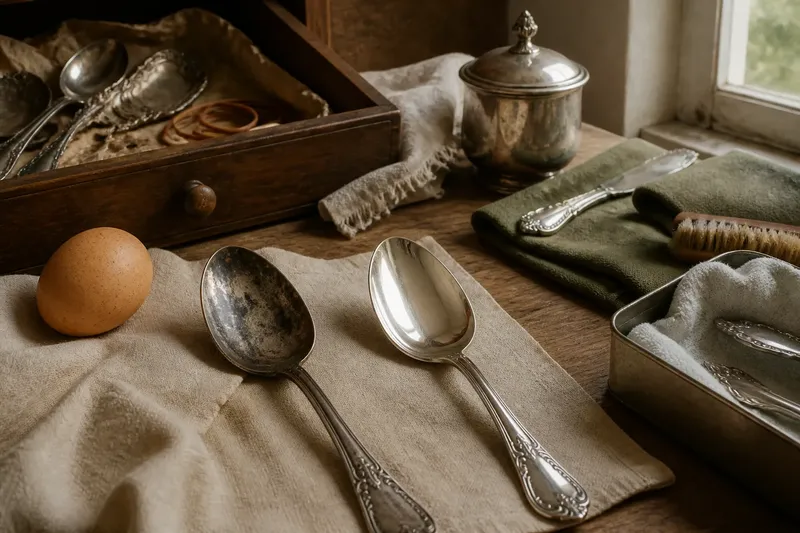
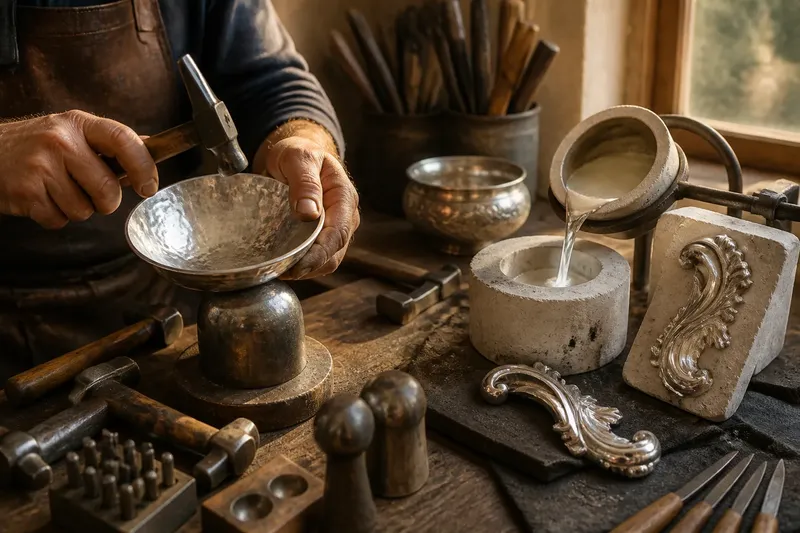
Before a spoon became a symbol of ceremony or inheritance, it had a plain job: carry food. Its bowl held broth, porridge or a spoonful of sauce; its handle gave the hand a grip. Silver could be shaped into a smooth, durable eating utensil and cleaned for repeated use. For households that could afford it, a silver spoon was both practical equipment and a visible sign of means.
Its value did not depend on being displayed. A serving spoon might pass between dishes during a meal, while smaller spoons were used by individual diners. The distinction mattered: a spoon made to reach into a shared bowl had a different working role from one sized for a place setting. Patterns, bowl shape and handle length reflected such choices, though styles and customs varied between regions and generations.
Table manners also helped assign meaning. In a household where meals were formal, a matched set could make the table feel orderly. In another, one silver spoon might be used alongside everyday utensils, valued because it belonged to someone rather than because it completed a set. Practical use and personal significance could coexist without fuss.
How did the spoon become a gift?
A spoon was useful enough to give, small enough to keep and easy to connect with feeding and care. That made it suitable for marking a new arrival, a baptism, a birthday or another family occasion. The gift could begin as a utensil intended for future use, even if the child was too young to hold it.
Presentation changed the object’s role. A spoon placed in a box, engraved with a name or date, or given during a ceremony arrived with a story attached. The inscription might identify the recipient or occasion; it could also make a plain spoon difficult to pass on without carrying that association. The gift was no longer simply something to eat with. It represented a relationship and a wish for the recipient’s future.
Not every family followed the familiar custom of giving a silver spoon to a baby. Gifts depended on local practice, family means and personal preference. Nor did a ceremonial gift always remain unused: some recipients grew up to use it, while others kept it apart from the everyday cutlery. The giver’s intention and the recipient’s later choice could point in different directions.
When did a useful object become a keepsake?
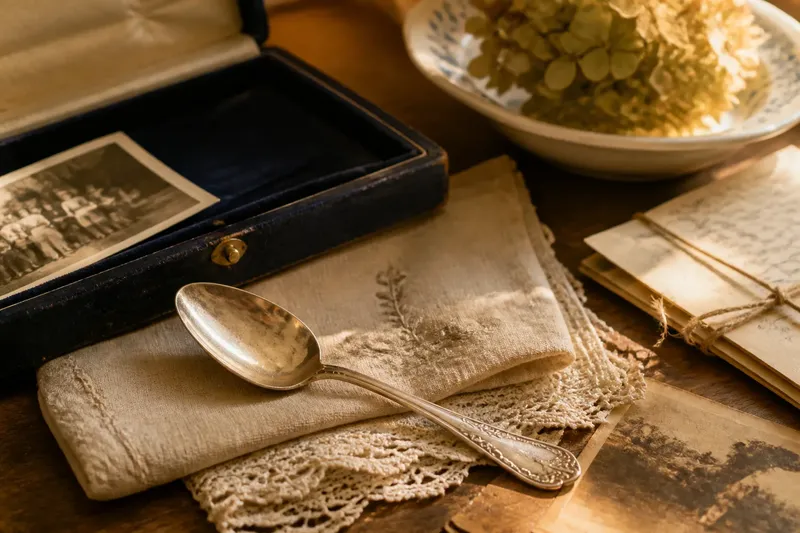
Often, there was no single moment. A spoon became a keepsake through a change in how people handled it: it was taken out less often, stored with family papers, or brought out to tell a story. Once its strongest association was with a person or event, wear from regular meals could seem less important than the inscription, pattern or memory it carried.
This shift can happen after a death, a move or a household reorganisation. A spoon that had been part of a parent’s table may be kept because it recalls the sound and rhythm of that home. Another might be saved because its engraving names an ancestor whom a younger family member never met. The metal is the same; its place in family life has changed.
Think of a spoon as a kitchen key: it opens a familiar routine, but it can also remind someone who once held it. The comparison is not exact, yet it captures the way an ordinary object can carry a private history without looking different to a stranger.
Why do some spoons return to the table?
Keeping an object does not have to mean putting it behind glass. A family might use an older serving spoon for a holiday dish, or bring out a christening gift when the recipient’s own child reaches a similar milestone. In that setting, use becomes part of remembrance. The spoon is not merely preserved; it is allowed to keep doing its original work.
Other spoons return in a quieter way. Someone may place one beside a bowl of fruit or use it to serve jam, because the shape still suits the task. That choice can make a keepsake feel present rather than remote. It can also introduce a little uncertainty: a fragile or heavily engraved spoon may be better suited to occasional use than rough daily handling.
Say a family inherits a small silver spoon engraved with a child’s name, but no one knows whether it was meant for eating or display. They might compare its size and bowl with ordinary teaspoons, ask relatives about its story, then decide to use it for a special dessert rather than leave it in a drawer. The observable result is modest but meaningful: the spoon has a place in a current ritual, while its inscription still recalls an earlier one.
What questions help explain a silver spoon’s changing role?
Was a silver spoon always a sign of wealth?
It could signal access to a costly material, but its role depended on the household and the occasion. A single spoon might be a valued possession without implying that the family owned a full silver service.
Why were spoons given to children?
A spoon connected a gift with nourishment and future independence. Engraving or ceremonial presentation could make it a record of an occasion as well as a tool for later meals.
Does an engraved spoon need to stay unused?
No; some owners use such spoons, while others prefer to preserve them. The decision can reflect the spoon’s condition, the family’s attachment and how much handling its owner wants.
How can a family learn more about an inherited spoon?
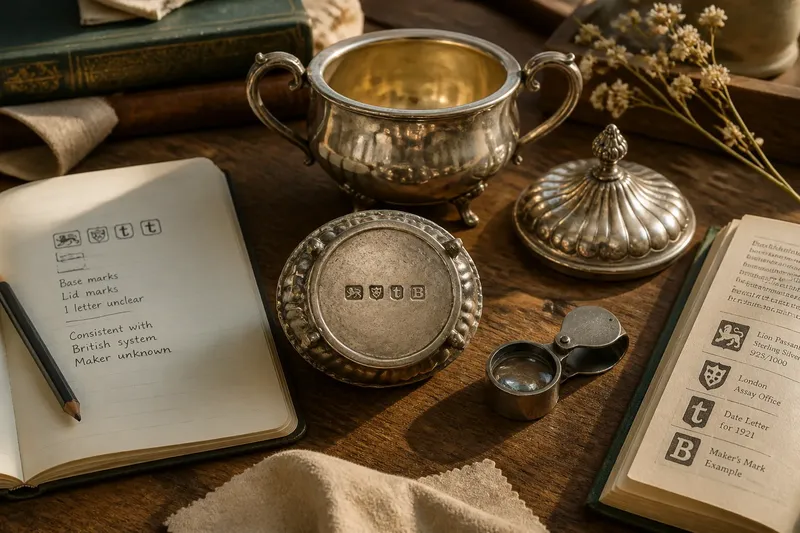
Look closely at its shape, decoration and any engraving, then ask relatives what they remember about its use or giver. Family documents or old photographs may offer clues, but an uncertain story is better described as uncertain than turned into fact.
How can a family keep the story without fixing one meaning?
A short note stored with the spoon can record what is known: who owned it, when it was given, or which meal brought it back into use. Separate confirmed details from family recollection. That small distinction protects the story from becoming more certain each time it is retold.
The object itself can remain open to new uses. A younger relative may value it as a connection to a grandparent, while another sees a useful serving piece. Neither response cancels the other. Meaning can change again as families move, gather and pass things on.
The silver spoon’s journey is less a straight path from tool to treasure than a series of choices about when to use it, give it or keep it. If you are deciding what to do with one, begin with its present condition and the story your family can actually tell. Then choose a place for it—on the table, in a keepsake box or somewhere between the two—that lets the next person understand why it mattered.